
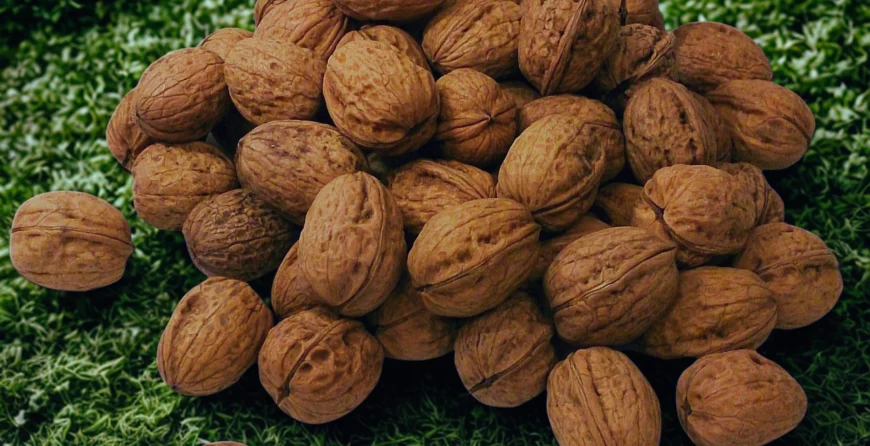
For generations, families have trusted dry fruits as a compact source of nutrition and energy. At Deepak Orchard, we continue this tradition by offering carefully selected walnuts, apricots, and almonds. Each of these is grown and processed in a way that preserves their natural richness. Rich in omega-3 fatty acids, walnuts are often praised for supporting mental clarity and maintaining a healthy heart rhythm. Apricots provide fiber, vitamin A, and antioxidants that aid digestion and support glowing skin.
Almonds bring strength through calcium, vitamin E, and magnesium, making them a daily fuel for body and mind. Our dry fruits stand out because of the care we give at every stage—from the tree itself to the final pack. Every walnut, apricot, and almond is carefully managed throughout the process so that its original taste and freshness are fully preserved.
Instead of losing quality through mass production, our products bring you the genuine taste and richness of Himachal orchards. Whether eaten plain, soaked, or blended into meals, they bring natural energy for students, professionals, and elders alike. Choosing Deepak Orchard’s dry fruits means adding health, flavor, and sustainability to your everyday diet.
Dry fruits are often spoken about in numbers — calories, nutrients, grams per day — but in everyday life, they play a much simpler role. In many homes, they are not measured or planned. A few pieces are taken while working, studying, or resting. This casual habit is what has kept dry fruits relevant for generations, without needing explanations or instructions.
At the orchard level, dry fruits are not treated as luxury items. They are seen as a way to preserve what nature already provides. When fruits mature fully, not all of them are consumed fresh. Some are naturally suited for drying, storage, and slow use. This understanding comes from observation, not textbooks.
Handling dry fruits requires patience. There is no fast reward. Drying, sorting, and storing take time, and mistakes are easy to make. Too much heat, too little air, or improper storage can ruin weeks of effort. These are lessons learned quietly, often through loss, and remembered longer than any success.
One important realization over time is that dry fruits do not need improvement. Their value lies in their original form. Overprocessing removes character. Simplicity keeps them usable across ages and lifestyles. This is why restraint matters more than enhancement.
Another overlooked aspect is familiarity. People trust foods they recognize. Dry fruits that look, smell, and taste natural tend to be consumed regularly. When something feels unfamiliar or overly processed, it is often avoided after the first try. Consistency builds habit, and habit builds trust.
Daily wellness does not come from sudden changes. It comes from small, repeatable choices. A few walnuts added without thinking. A couple of almonds eaten between tasks. An apricot taken during travel. These actions do not feel like health decisions, but over time, they add stability to routine.
Dry fruits also adapt easily to different lifestyles. Some people soak them overnight. Some eat them dry. Some add them to simple meals. There is no fixed method, which is why they fit naturally into diverse routines. Flexibility keeps them relevant.
Storage is another quiet responsibility. Dry fruits react to their environment. Too much moisture affects texture. Too much heat affects taste. Learning how to store them properly often comes from trial and error. This knowledge rarely gets written down, but it gets passed along.
Families often develop their own ways of using dry fruits. Some keep them for specific times of day. Some reserve them for travel. Some treat them as seasonal food. These habits differ, but they all point to one thing — dry fruits adjust themselves to life, not the other way around.
Unlike foods that demand attention, dry fruits remain in the background. They do not announce themselves. They wait to be used. This quiet presence is what allows them to stay part of daily life without effort.
Wellness is often misunderstood as something complex. In reality, it is supported by foods that do not disrupt routine. Dry fruits work because they do not demand planning or preparation. They simply fit.
Over time, people notice subtle changes. Sustained energy. Fewer fluctuations. A sense of balance. These effects are rarely dramatic, but they are consistent. Consistency is what makes something last.
The value of dry fruits also lies in moderation. They are not meant to replace meals or act as solutions. They support what already exists. When consumed mindfully, they become reliable companions rather than highlights.
In households where dry fruits are part of everyday life, they are rarely discussed. Their presence becomes normal. This normalcy is a sign of trust built slowly, without claims or promises.
Sustainability, in this context, is not about labels. It is about using what is available without waste. Dry fruits allow food to be stored and consumed over time, reducing unnecessary loss. This quiet efficiency matters more than branding.
Ultimately, dry fruits serve a simple purpose. They provide nourishment without complication. They stay usable across seasons. They do not demand attention. They support daily life quietly.
When wellness becomes part of routine instead of intention, it lasts longer. Dry fruits contribute to that kind of wellness — steady, familiar, and reliable.
