
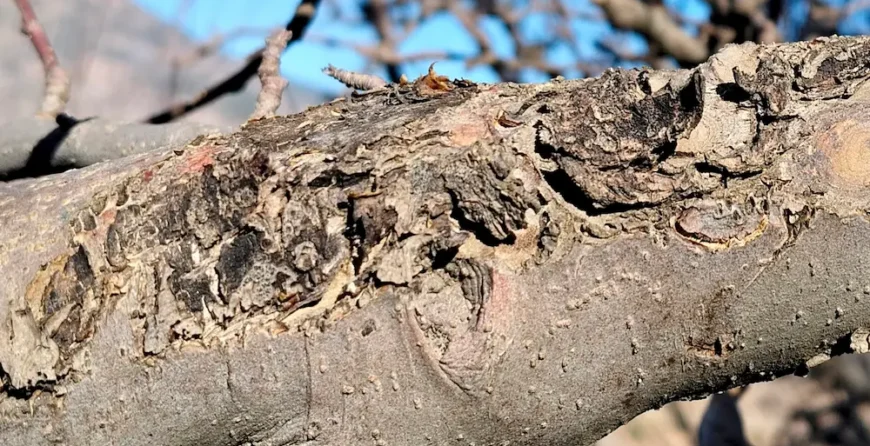
Canker Disease in Fruit Trees: Causes, Spread, and the Role of Pruning.
Canker disease is one of the most damaging problems faced by orchard owners and gardeners. It affects the bark, branches, and sometimes the trunk of fruit trees, slowly reducing plant health and productivity. Many growers believe that canker disease spreads only after pruning, but the reality is more complex. This article explains the real causes of canker disease and clarifies whether pruning is the only reason behind its spread.
What Is Canker Disease?
Canker disease is a plant infection that causes dead, sunken, or cracked areas on the bark of trees. These infected areas may ooze sap, appear dark in color, or develop rough, peeling bark. If left untreated, canker can block the flow of water and nutrients, leading to branch dieback and, in severe cases, complete tree death.
Main Causes of Canker Disease
Canker disease does not occur due to a single reason. It usually develops when disease-causing organisms enter the tree through weak or damaged tissue.
1. Fungal and Bacterial Infection
Most canker diseases are caused by fungi or bacteria present in soil, air, and plant debris. These pathogens attack trees when conditions such as high humidity, moisture, or poor air circulation are favorable.
2. Pruning Wounds
Yes, pruning can contribute to the spread of canker disease, especially when:
Pruning tools are not sterilized
Cuts are made during wet or humid weather
Large wounds are left uncovered
Fresh pruning cuts provide an easy entry point for disease-causing organisms.
3. Mechanical Injuries
Injuries caused by farm tools, animals, wind damage, or improper handling can also allow pathogens to enter the tree. Even small cracks in the bark can become infection sites.
4. Environmental Stress
Trees under stress are more vulnerable to canker disease. Common stress factors include:
Drought or waterlogging
Poor soil nutrition
Extreme temperatures (frost or heat stress)
Weak trees cannot effectively fight infections.
5. Insect Damage
Certain insects create holes or wounds in the bark. These openings often become gateways for fungal or bacterial infections, indirectly promoting canker disease.
Does Canker Disease Spread Only After Pruning?
No, pruning is not the only cause of canker disease. While improper pruning increases the risk, canker can also spread through natural cracks, insect damage, and environmental stress. However, careless pruning significantly accelerates infection, making it a major contributing factor rather than the sole reason.
How to Reduce the Risk of Canker Disease
Always use clean, sharp, and disinfected pruning tools
Avoid pruning during rainy or highly humid conditions
Remove and destroy infected branches immediately
Maintain proper irrigation and balanced nutrition
Protect trees from mechanical and insect damage
Conclusion
Canker disease is a serious orchard problem that develops due to multiple factors, not just pruning. Pruning wounds can act as entry points for infection, but environmental stress, insect damage, and poor orchard management also play important roles. By adopting proper pruning practices and maintaining overall tree health, orchard owners can significantly reduce the risk of canker disease and protect their fruit trees for long-term productivity, as shown in the image.
