
Why are imported Gala rootstock apples gaining popularity in Himachal Pradesh?
Apple cultivation in Himachal Pradesh has never been static. Over the years, orchard practices have continuously evolved in response to climate shifts, market demand, and grower experience. One of the most noticeable recent changes is the increasing interest in imported Gala rootstock apple plants. These plants, sourced from international nurseries and suppliers such as Gariba and similar channels, are gradually reshaping how apple orchards are planned and managed across the state.
This shift is not driven by marketing trends alone. It is largely rooted in visible orchard performance, fruit appearance, harvest timing, and long-term economic considerations.
Apple varieties changed expectations.
Traditional apple varieties served Himachal’s orchards well for decades, but market expectations have changed significantly. Buyers today are more selective than ever. Fruit color, uniformity, surface cleanliness, and early availability now influence price as much as yield.
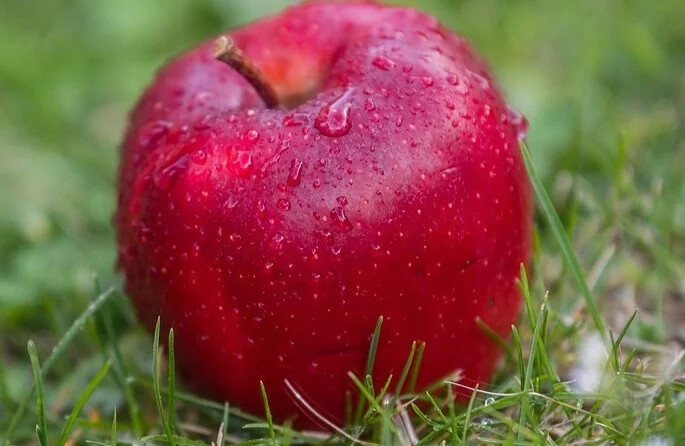
Imported Gala rootstock varieties respond well to these changing expectations. Growers who have observed their performance over several seasons report that these plants often produce apples with consistent red coloration, smoother skin, and more uniform size compared to many older varieties.
Rather than replacing traditional apples entirely, these newer plants are increasingly seen as complementary options for growers looking to diversify risk and improve orchard resilience.
How does the identification of imported Gala rootstock differ?
Imported Gala rootstock plants differ from conventional nursery plants in several important ways. The most significant difference lies in genetic uniformity and controlled propagation.
These plants are usually developed under tightly managed nursery conditions, ensuring:
Uniform growth behavior
Predictable fruit characteristics
Better compatibility with modern orchard systems
Many growers notice that these plants show balanced vegetative growth in the early years, which helps in shaping orchards efficiently. This reduces excessive pruning corrections later and supports cleaner canopy structures.
The rich red colour and its popularity in the market
One of the strongest reasons behind the growing popularity of imported Gala varieties is fruit appearance. Full red color development is a major advantage in competitive markets.
Apples with even coloration and clean skin:
Attract buyers more quickly
Reduce grading losses
Perform better in early-season markets
This visual consistency becomes especially important when apples are sold outside local mandis or through structured supply chains where appearance standards are strict.
Early harvest time and its economic impact
Another defining feature of many imported Gala rootstock apples is early maturity. In many orchards, fruits are ready for harvest by July, significantly earlier than traditional apple harvest seasons.
Early harvesting offers several indirect benefits:
Entry into markets before peak supply
Reduced competition during early sales
Faster cash flow for orchard owners
Early-season apples also reduce dependency on long-term storage facilities, which can be costly and inaccessible for small and mid-sized growers.
Adaptation to climate change
Climate variability has become a major concern in Himachal’s apple belts. Reduced snowfall and inconsistent winter chilling are already affecting orchard performance at lower elevations.
Imported Gala rootstock varieties are often selected for adaptability and stable performance under slightly altered climatic conditions. While no apple variety is immune to climate stress, growers report that these plants tend to show better flowering regularity and fruit set in marginal zones compared to some traditional varieties.
This adaptability does not eliminate climate risks but offers growers an additional buffer against unpredictable seasonal changes.
Orchard experience with several Gala variants
Within the Gala category itself, growers are experimenting with multiple variants rather than relying on a single type. Varieties such as Z1 Gala, Devit Gala, Fenixam Gala, Kingroat, and Dark Baron Gala are being planted side by side in many orchards.
Each variant displays subtle differences in:
Growth habit
Color intensity
Harvest window
Market preference
Maintaining varietal diversity within the orchard helps growers avoid dependence on a single genetic line, which can be risky in the long term.
Investment ideas and practical reality
Imported apple plants come with higher initial costs. Transportation, plant certification, and limited availability make them more expensive than locally sourced seedlings. However, growers evaluating these plants often look beyond upfront cost alone.
The decision usually balances:
Early bearing potential
Market price advantages
Reduced grading losses
Long-term orchard efficiency
For many experienced orchardists, the investment makes sense only when combined with proper orchard management, soil care, and realistic expectations.
Learning process and horticulture management discipline
Despite their advantages, imported Gala rootstock plants are not a shortcut to success. They require disciplined orchard management, especially during the initial years.
Mistakes in spacing, nutrition, or pruning can limit their performance just as easily as with traditional varieties. Growers who approach these plants with patience and observation tend to see better outcomes than those expecting instant results.
Successful adoption depends less on the plant itself and more on how well orchard practices are adjusted to suit its growth behavior.
The role of experience in variety selection
Perhaps the most important factor driving the popularity of imported Gala rootstocks is shared orchard experience. Farmers often trust what they see growing successfully in nearby orchards more than promotional material.
As more growers observe consistent results across different locations, confidence in these plants grows organically. This peer-based learning continues to shape planting decisions across apple-growing regions.
This is a gradual change, not a sudden replacement.
Imported Gala rootstock apples are not replacing traditional apple varieties overnight. Instead, they represent a gradual shift toward diversification and adaptability.
Many orchards now combine:
Traditional varieties for long-term stability
Imported Gala variants for early harvest and market appeal
This balanced approach helps growers manage both climatic uncertainty and economic pressure without overexposing their orchards to a single trend.
Experience-based transformation in the gardens of Himachal Pradesh
The growing interest in imported Gala rootstock apples reflects a broader change in how apple horticulture is practiced in Himachal Pradesh. Farmers are increasingly guided by experience, observation, and long-term thinking rather than tradition alone.
While these plants offer visible advantages in color, timing, and uniformity, their success ultimately depends on thoughtful orchard management and realistic planning. As climate and markets continue to evolve, such adaptive strategies are likely to play a crucial role in sustaining apple horticulture across the region.
